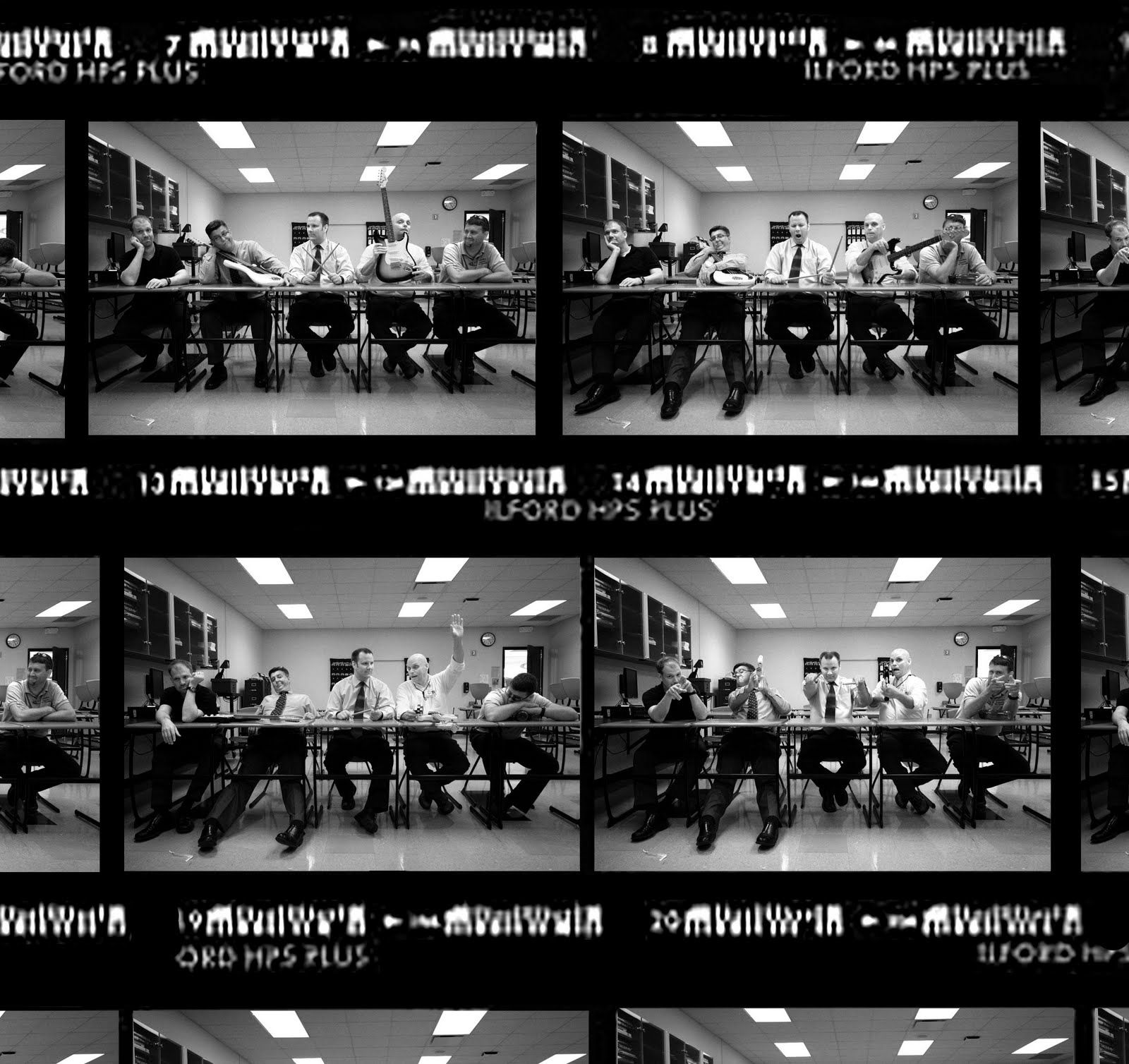
I much prefer being on the other end of the camera. Final result of the band photo project.
Tube Cricket Cabinet
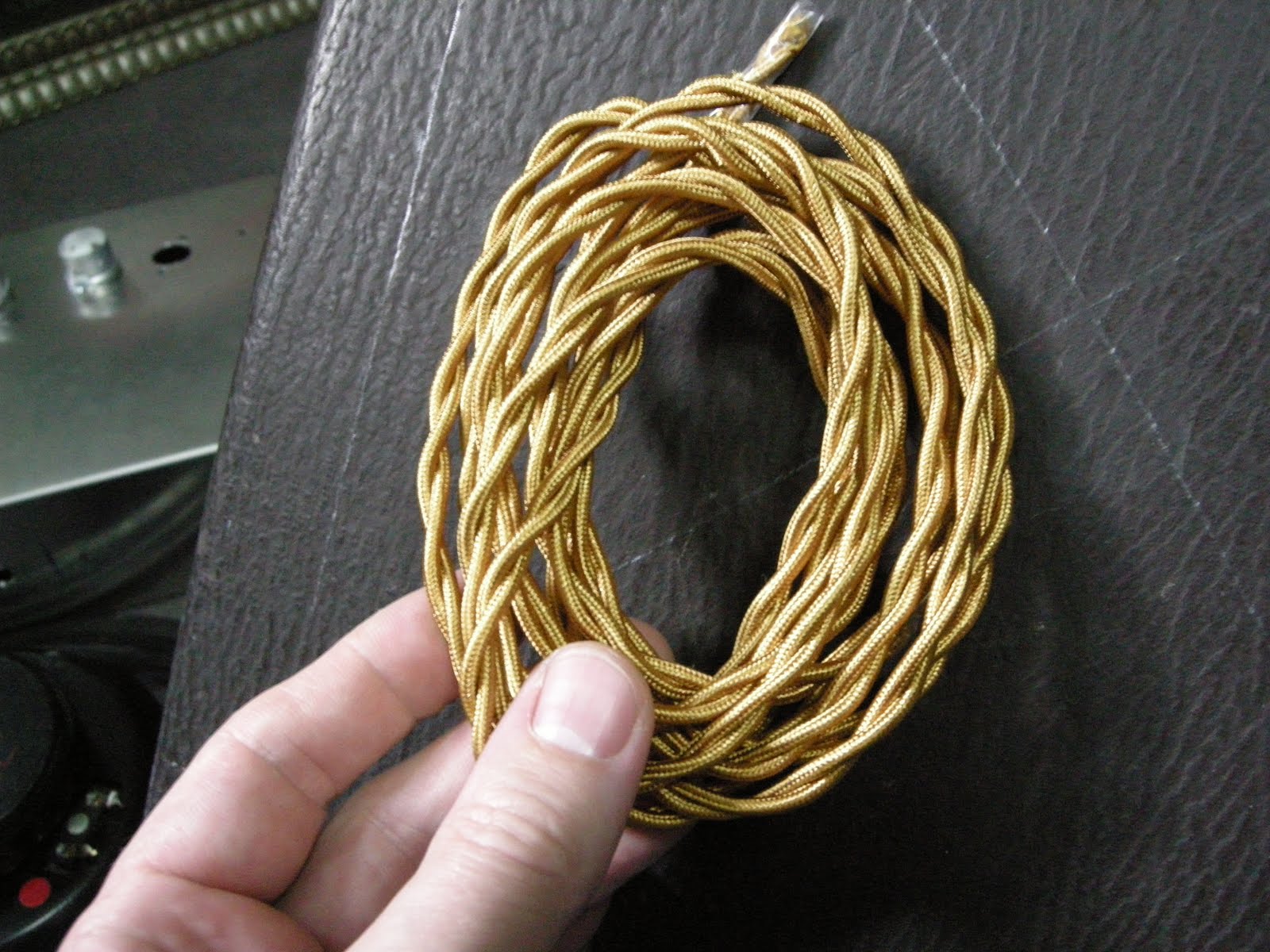
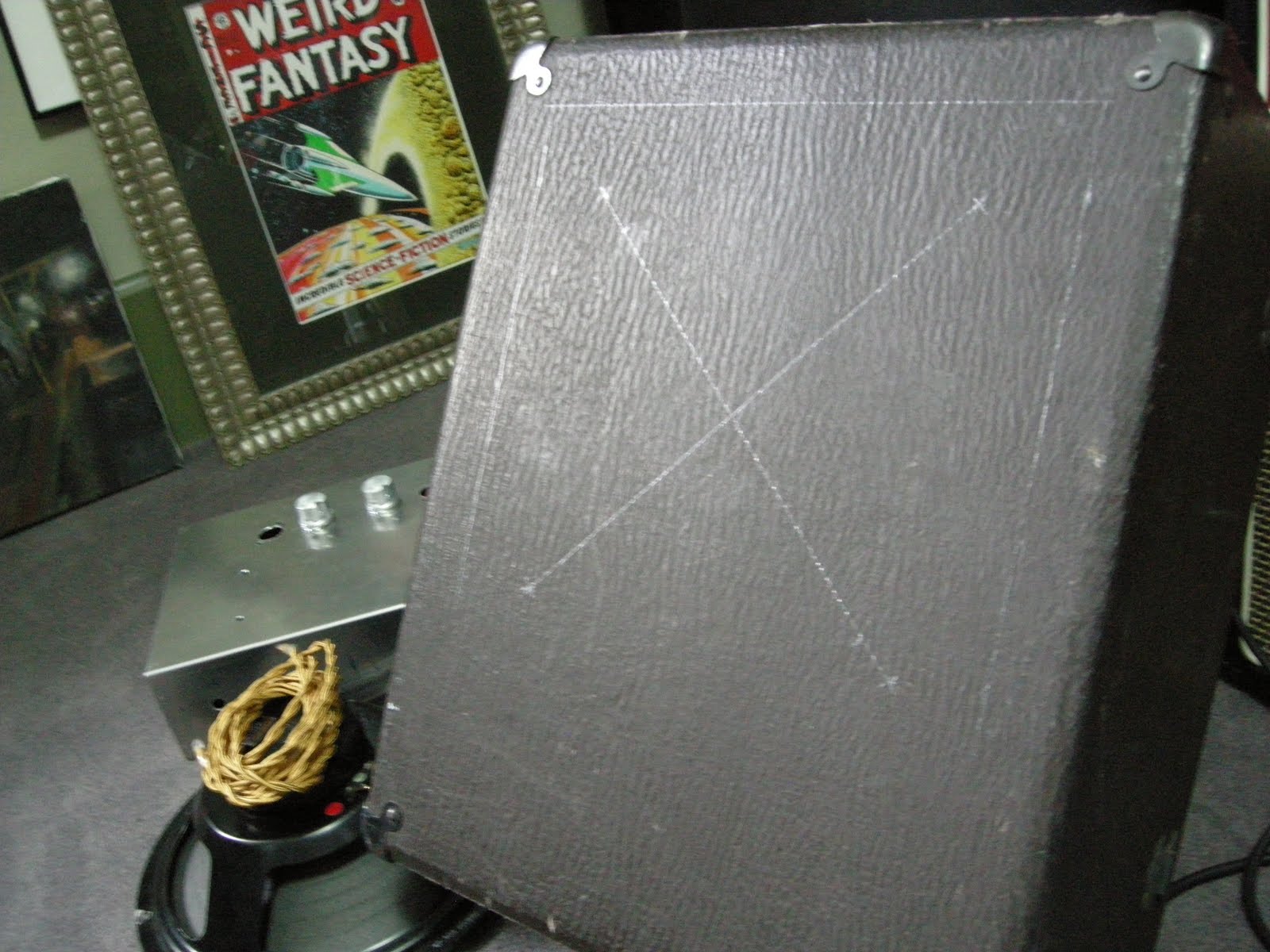
Started layout on a new case for the tube cricket. I think the tube cricket is a bit too powerful for the Philco radio case and it’s 6″ pignose speaker. Layout lines shown with some “vintage” cloth covered lamp cord I scored on ebay.
CE-2 Noise Issues
Tracking down some info on a noisy chorus pedal:
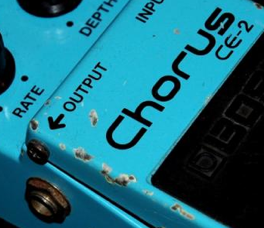
Maybe a cap job for the CE-2?Yes, that’s almost certainly the problem – a
failing de-coupling electrolytic cap between the oscillator and the audio
circuit. Electrolytic caps degrade with age and can also fail suddenly – old
Boss pedals are getting into the age range where this happens, and I’ve come
across several. The main DC filtering one may be on the way out too, which could
explain why it needs more voltage to light the LED.If you can’t easily trace the
one(s) you need to change, just replace all the electrolytic caps (there aren’t
many, and they aren’t expensive) and it will probably fix it and make it good
for the next 20 years.
1978 Roland GA-120
Solid state vintage….
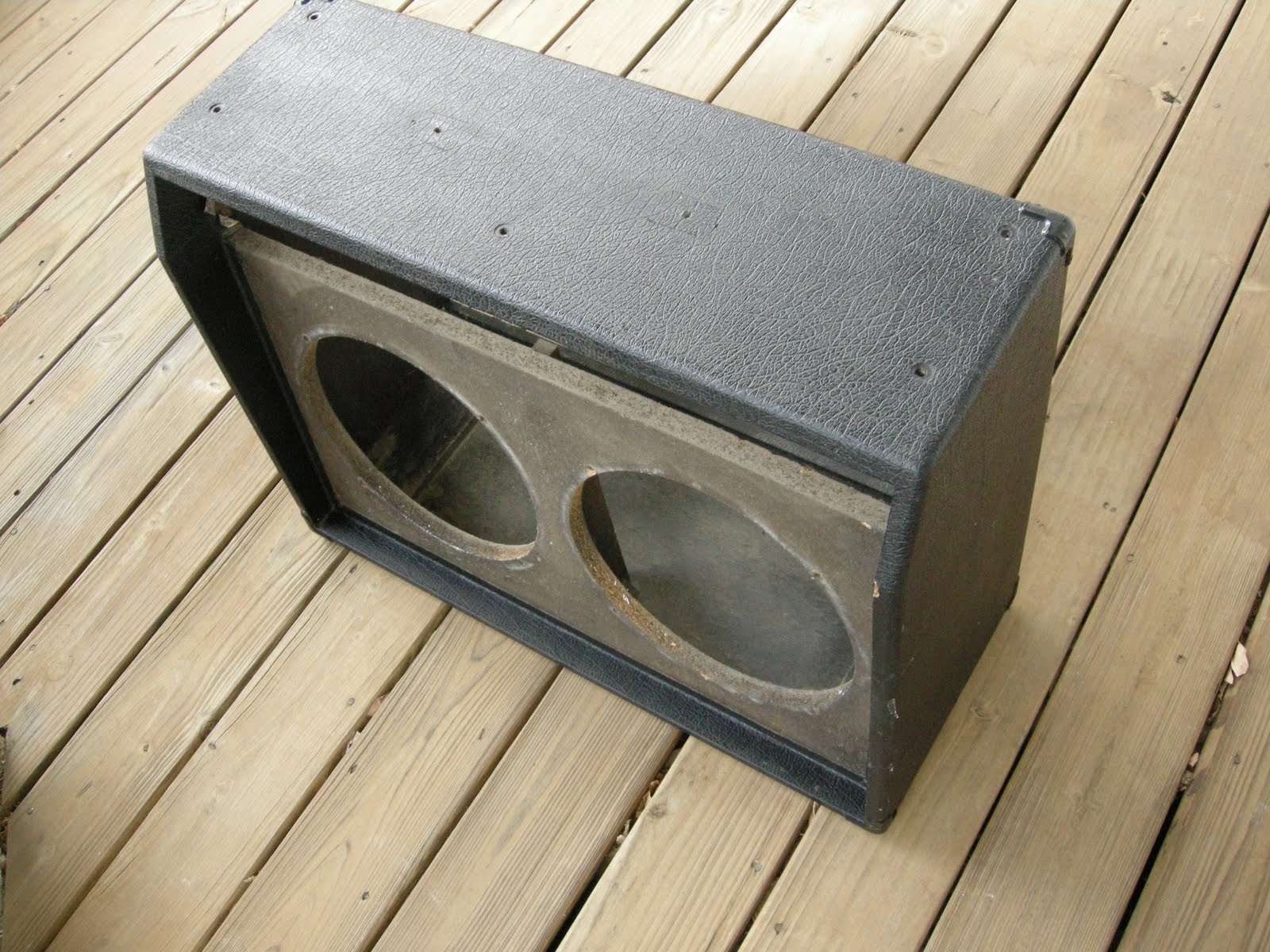
I’m a sucker, I found a 1978 Roland GA-120 on craigslist, DOA. $40 and I was hauling it out of a store room in the Newport Music hall (sold by the house sound guy). This is a solid state amp that was the predecessor to the Roland JC-120. I ordered a service manual from stereomanuals.com. I tore it down when I got home at cleaned it up a bit. It’s now sitting in my office waiting for some troubleshooting. The first photo shows the cabinet with grill, chassis, and speakers pulled.
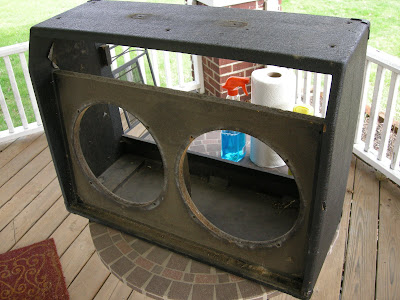
Pre Cleaning detail
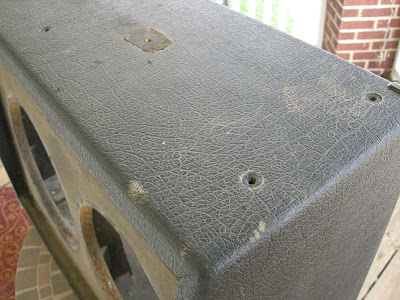
Tolex is a vinyl product and pledge applied with a toothbrush worked wonders.
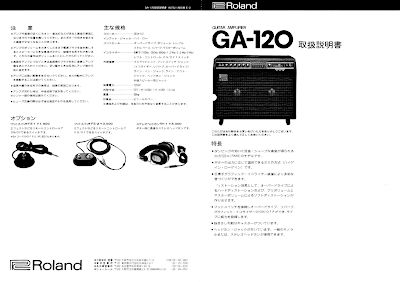
The only publicly available reference I found was the users manual in Japanese.
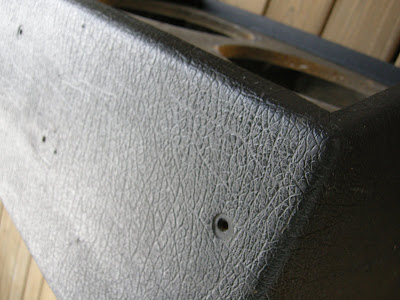
Post tolex cleaning, I think I’ll hit the ply wood with some spray paint before it’s back together.
Beavis Audio Research Tube Cricket PCB Assembly Time Lapse
Time lapse shot with an eyesight camera. Faithless by Rush as a backing track. They played it last night at the show!
Rush in Cleveland
An amazing show it the first US city to play a rush single on the radio (working man)
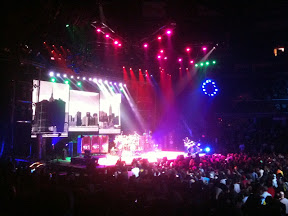
– Posted using BlogPress from my iPhone
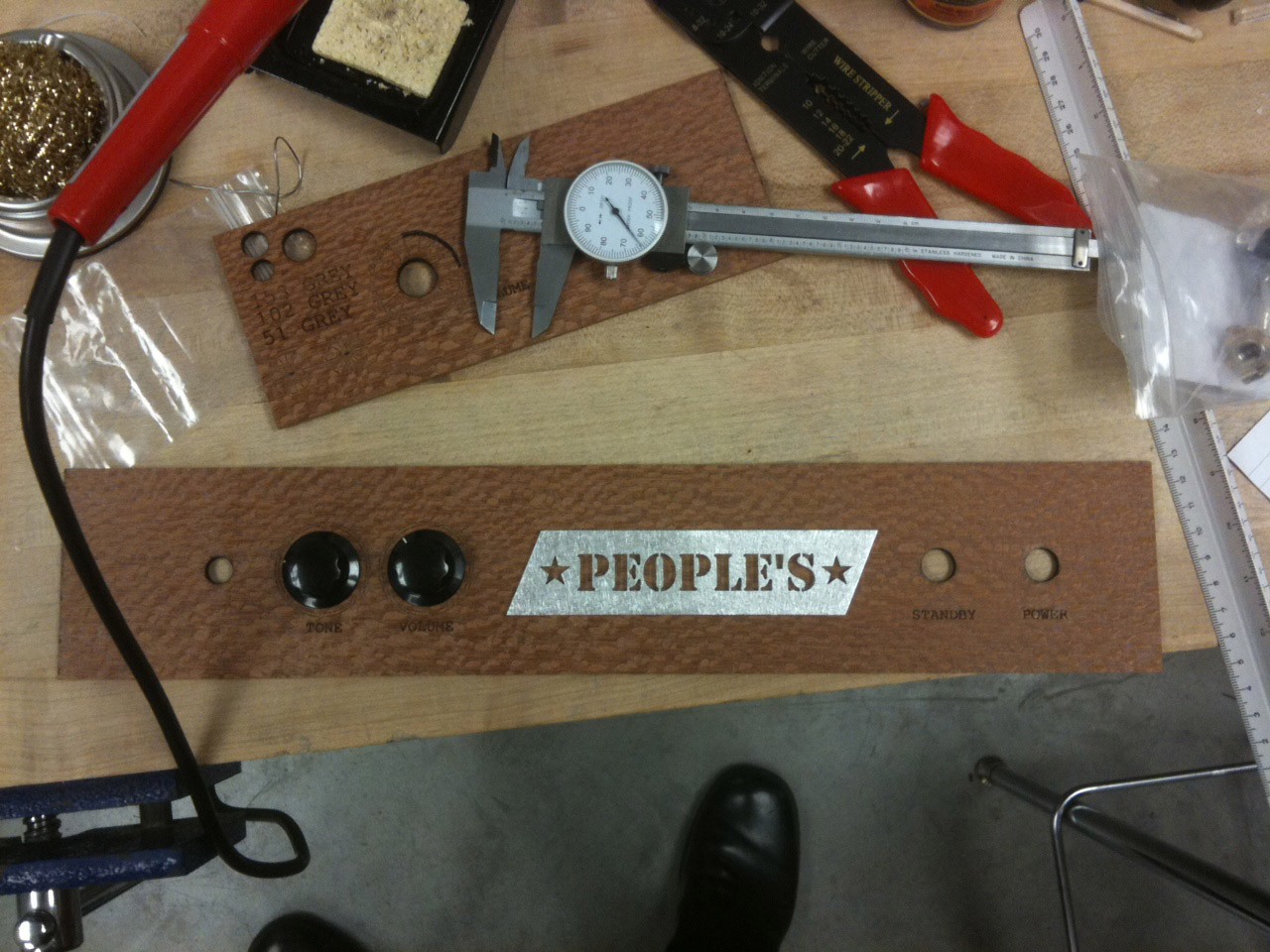
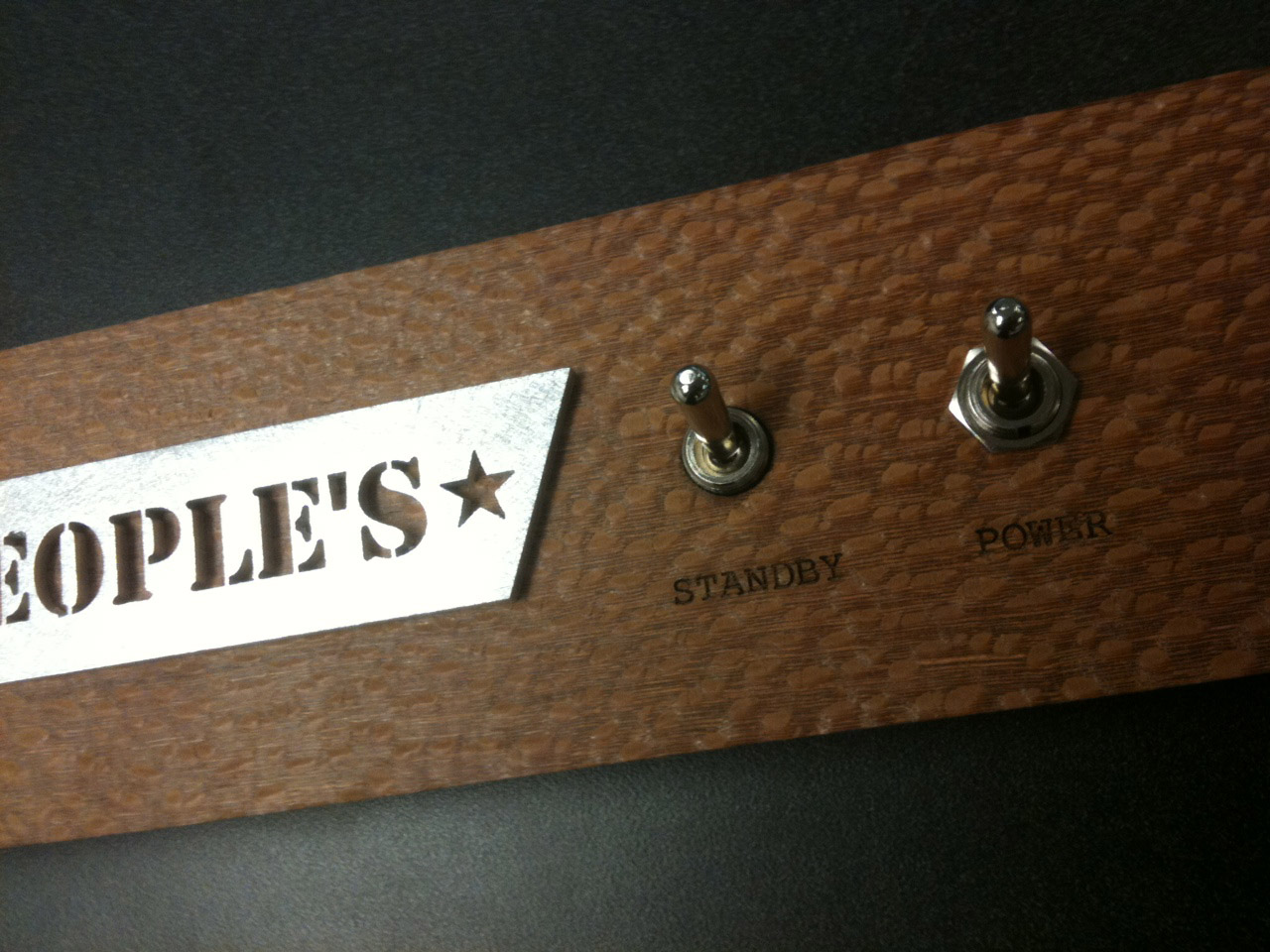
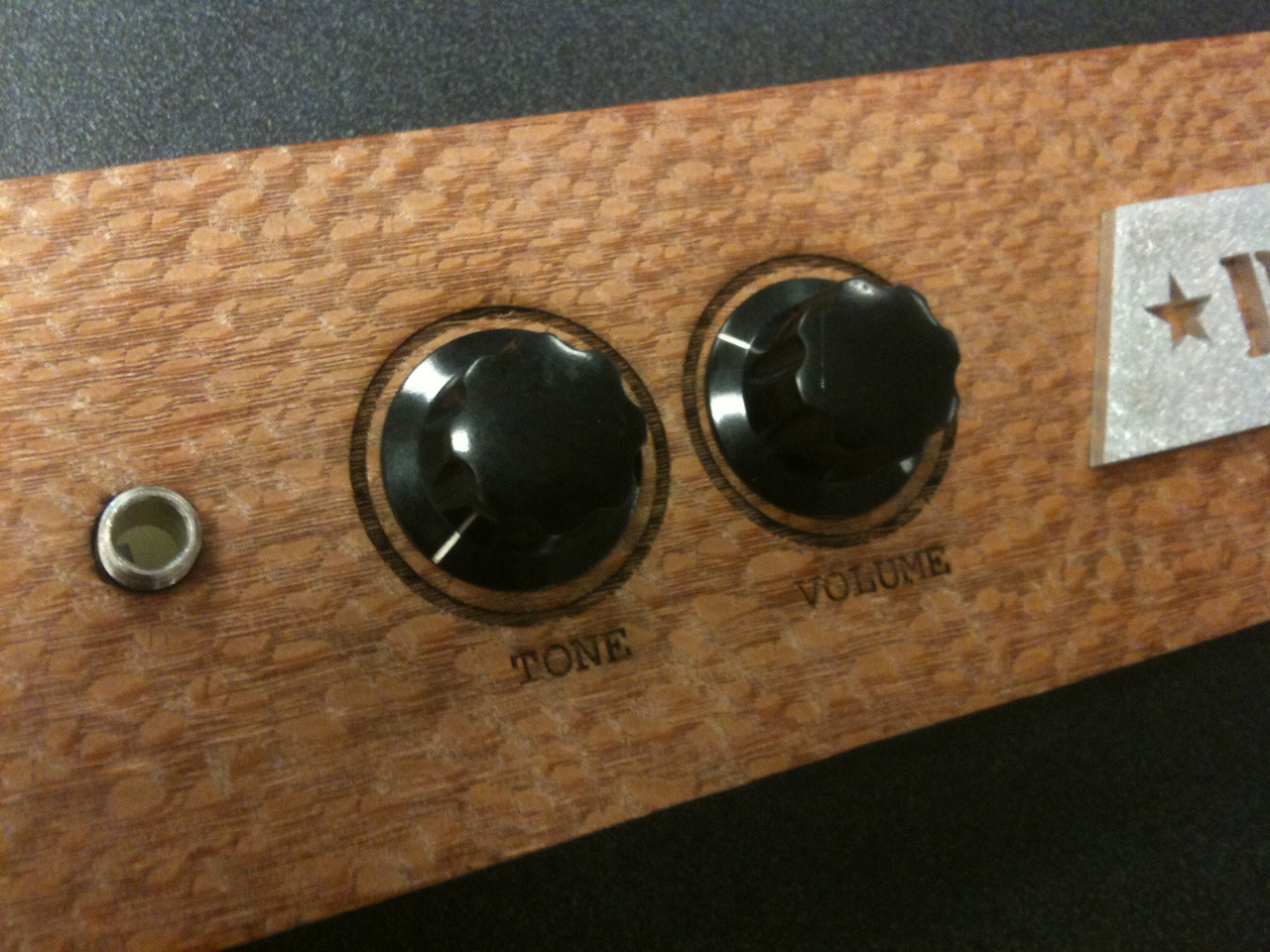
Finished Faceplate
Guitar Surgery
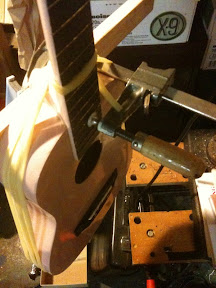
One of my seniors left a little pink guitar in the studio, it showed up on my desk snapped in half. Not sure if it was what caused the failure, this is one of the few neck repairs that match my amateur luthier skill level.
– Posted using BlogPress from my iPhone
A Little Lazing
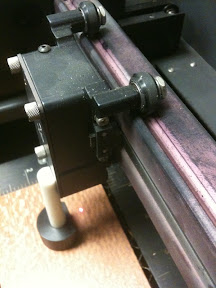
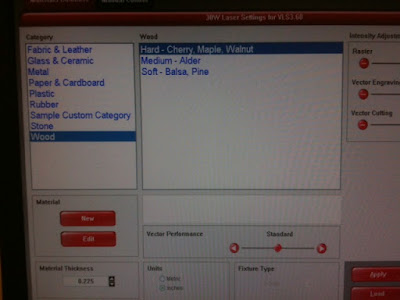
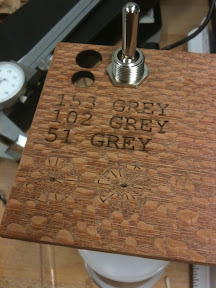
I popped over to pre-engineering to do a little experimentation with the laser cutter and the lace wood sample that I’m going to use on the front of the peoples amp.
The first step was to adjust the mirror assembly to the correct height.
NOLA


New Orleans was awesome.