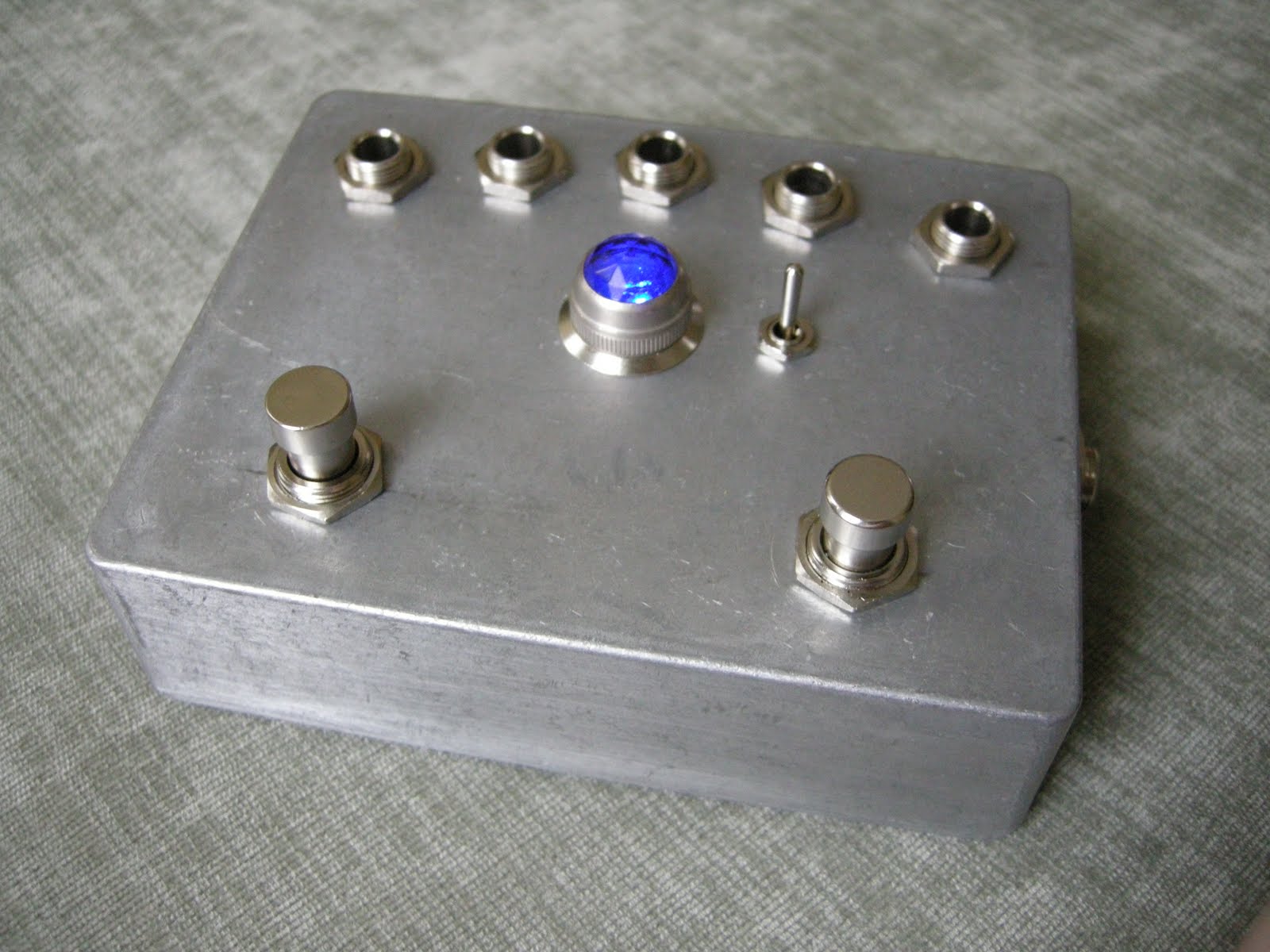
Snowday Stomp Box


My friend and guitar instructor Karl Wohlwend designs and builds guitar amplifiers. I asked him if he would help me with the process of finding a good first build kit, he offered to help me build his design, The People’s Amp. It’s an 18 watt beast of an amplifier. I can’t wait to get this project rolling. Here’s an excerpt from Karl’s website:
he People’s Amp is based on the legendary Marshall 1974, often referred to as the “Bluesbreaker Jr” or the Marshall 18 Watt. It is not a clone. It has an EZ81 tube rectifier, which gives you that nice vintage “sag.” The People’s Amp uses a 12AX7 pre-amp, another 12AX7 for its phase inverter, and a pair of EL84’s push-pulling in the power section. It is an 8 ohm head that sounds great through your favorite cabinet.
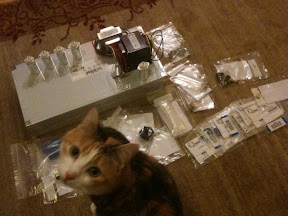
Pix inspecting parts for the build

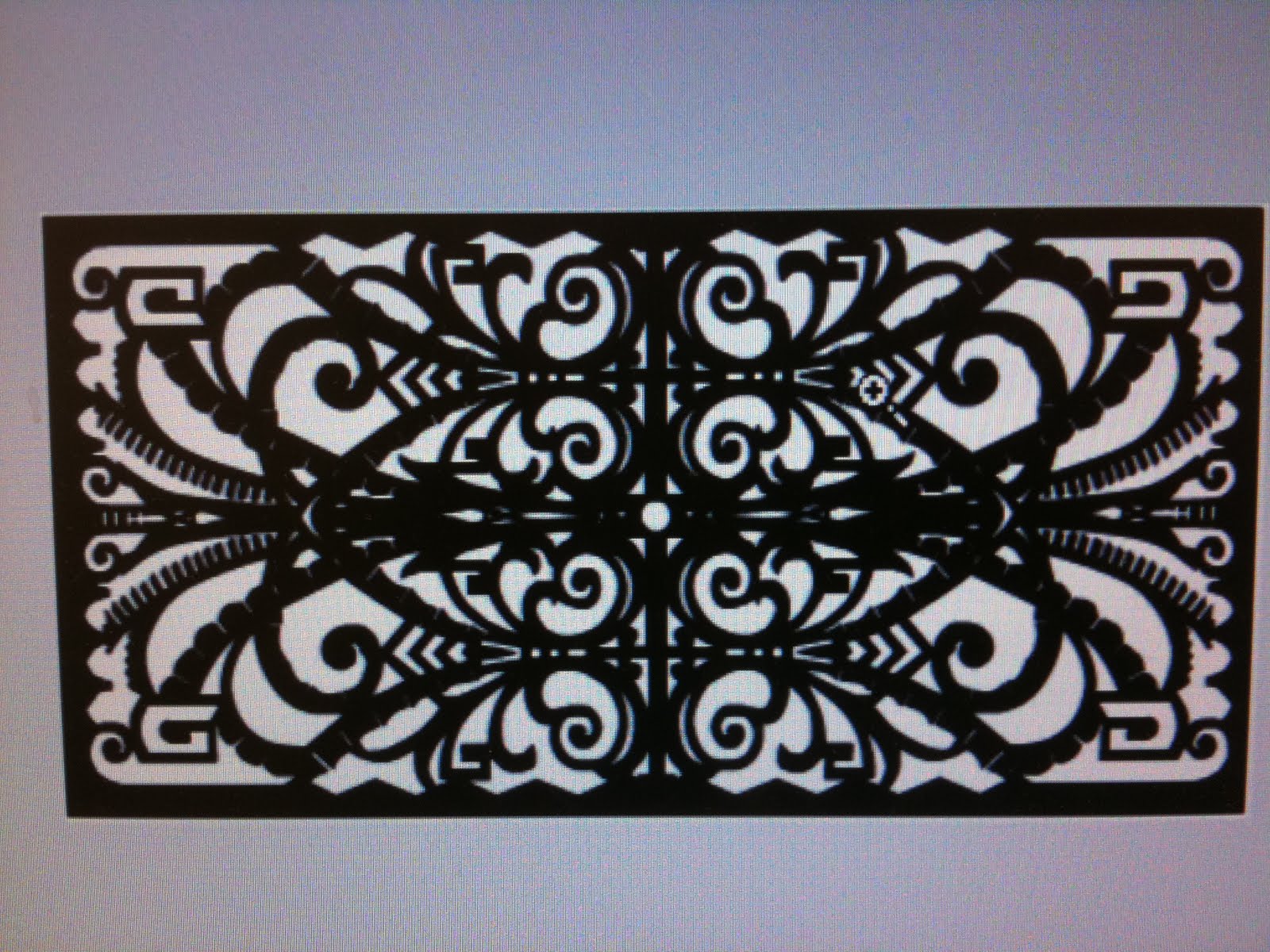
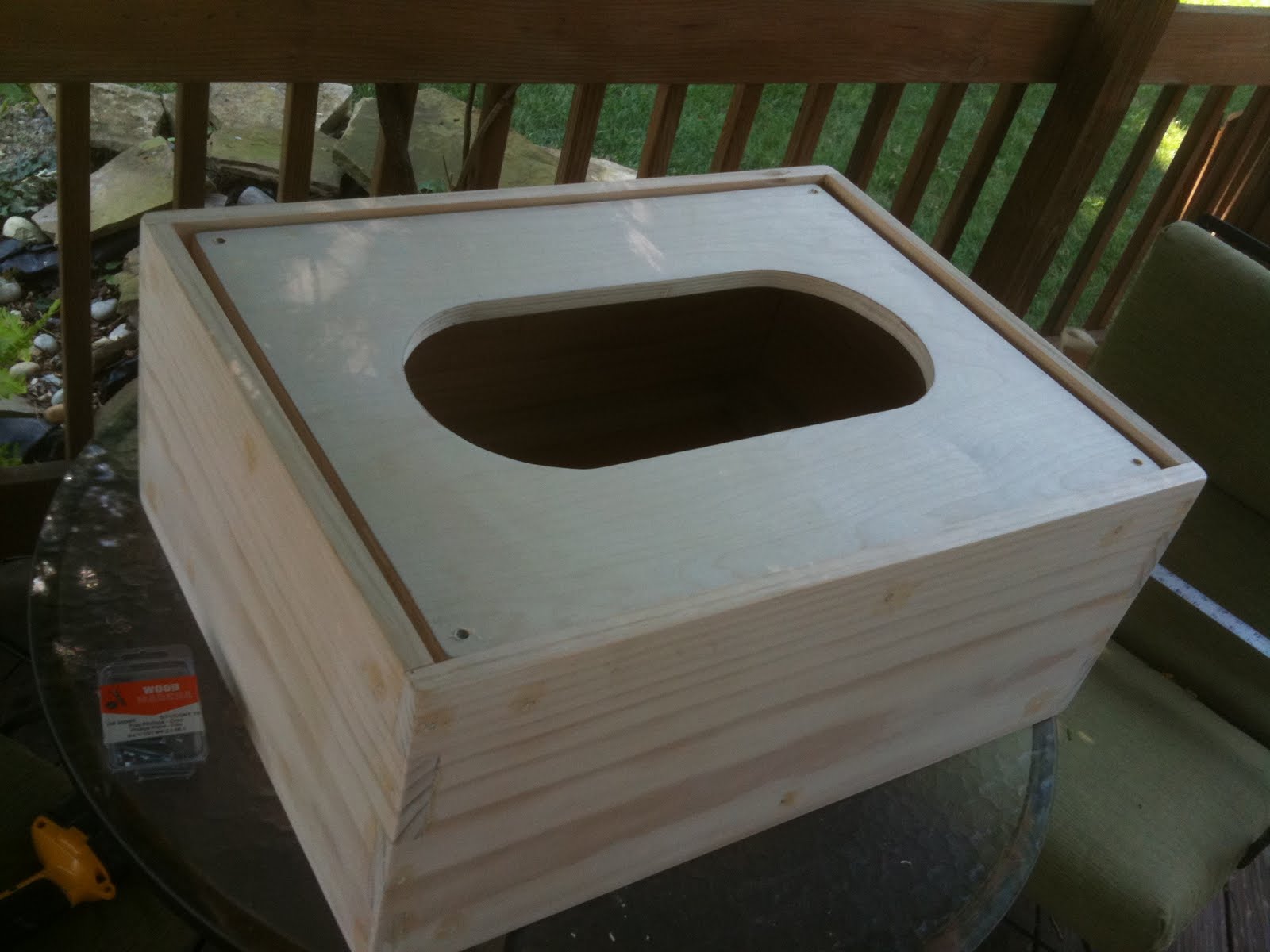
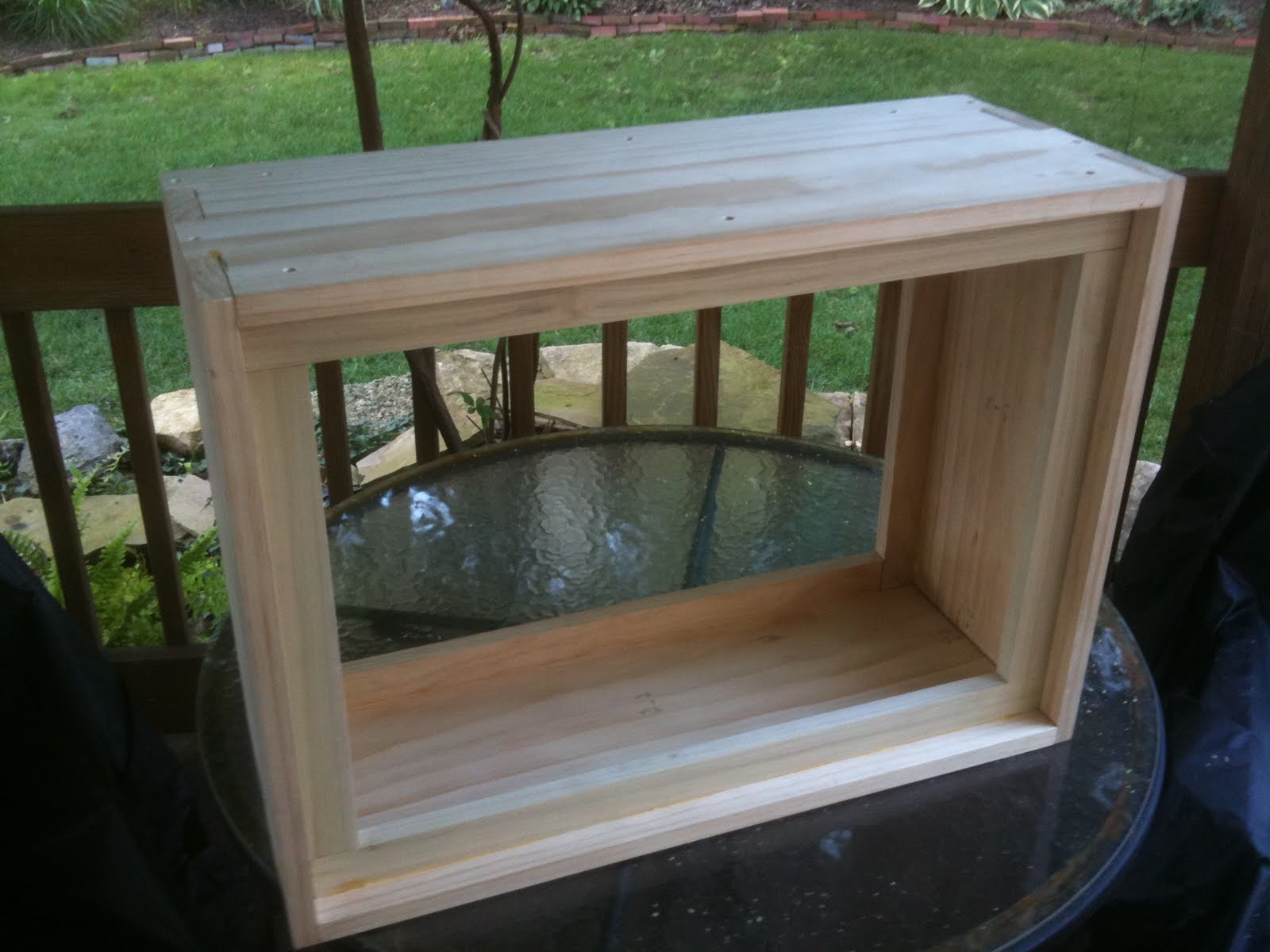
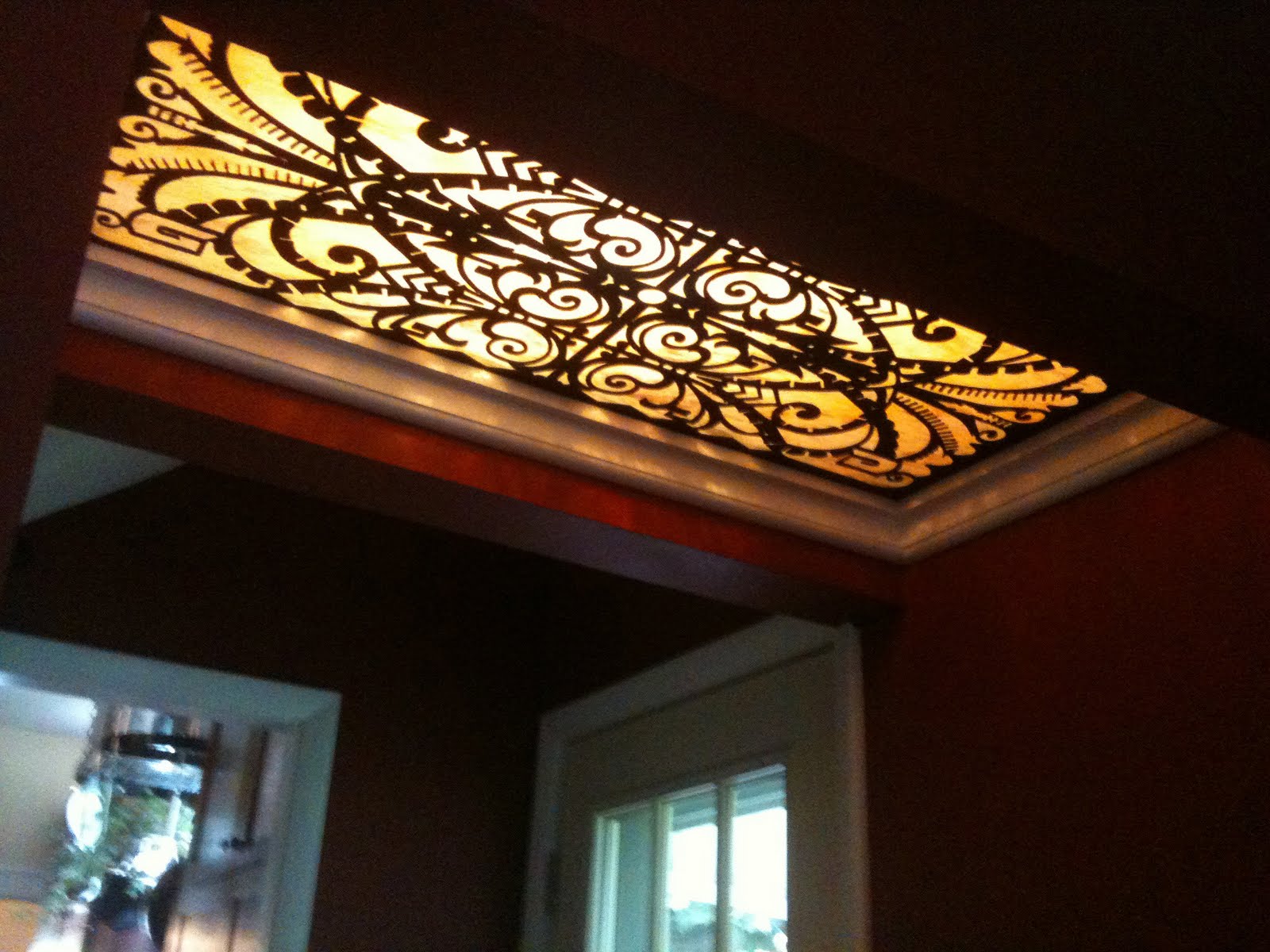
This is the best printer ever, cuts steel like butter! I designed in Autocad and exported to illustrator to fine tune bezier curves. DXF export for the CNC process. I built a pine frame in place to hold the cut panel and toped it with a great sheet of art glass from Franklin Art Glass. A compact fluorescent fixture lights the panel.

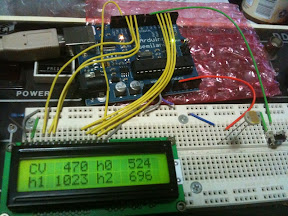
CdS cell talks to analog in on Arduino. CV = real time value of CdS h0 – h2 highest recorded value over 60 second sample.
Started with this code from arduino.cc
/*
LiquidCrystal Library – Hello World
Demonstrates the use a 16×2 LCD display. The LiquidCrystal
library works with all LCD displays that are compatible with the
Hitachi HD44780 driver. There are many of them out there, and you
can usually tell them by the 16-pin interface.
This sketch prints “Hello World!” to the LCD
and shows the time.
The circuit:
* LCD RS pin to digital pin 12
* LCD Enable pin to digital pin 11
* LCD D4 pin to digital pin 5
* LCD D5 pin to digital pin 4
* LCD D6 pin to digital pin 3
* LCD D7 pin to digital pin 2
* LCD R/W pin to ground
* 10K resistor:
* ends to +5V and ground
* wiper to LCD VO pin (pin 3)
This example code is in the public domain.
http://www.arduino.cc/en/Tutorial/LiquidCrystal
*/
// include the library code: // initialize the library with the numbers of the interface pins void setup() { void loop() {
#include
LiquidCrystal lcd(12, 11, 5, 4, 3, 2);
// set up the LCD’s number of columns and rows:
lcd.begin(16, 2);
// Print a message to the LCD.
lcd.print(“hello, world!”);
}
// set the cursor to column 0, line 1
// (note: line 1 is the second row, since counting begins with 0):
lcd.setCursor(0, 1);
// print the number of seconds since reset:
lcd.print(millis()/1000);
}
I found this 3/4 scale harmony at the guitar show with a broken neck for $5. A little wood glue and about 8 feet of surgical tubing to clamp it up and it’s playable again. I have a gfs humbucker that I’m going to mount in the sound hole, I’ll wire it with a coil tap, volume and tone. Top back and sides will receive some sharpie art.
A silver tone type case might be nice.